GUIDE
How sake is made: from polished rice to fermentation
An introduction to the brewing process behind Japan’s most misunderstood drink.
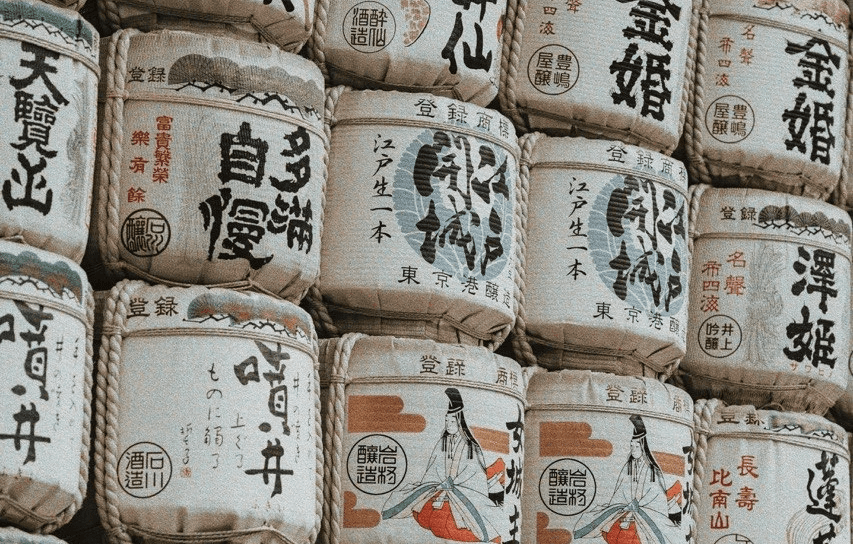
Sake is a traditional Japanese alcoholic beverage brewed from rice, water, yeast, and koji (a fermentation starter). Though often referred to as “rice wine,” sake is actually brewed more like beer: the starch in rice is converted into sugars, which are then fermented into alcohol.
With its smooth profile, low bitterness, and wide range of flavors (from dry and crisp to fruity and aromatic), sake bridges tradition and experimentation — making it accessible for both connoisseurs and curious newcomers.
An important note if you visit Japan, is that in Japanese “sake” translates to alcohol in general. The Japanese term for “sake” is nihonshu. Thus, if you ask for sake in Japan, it will not lead to the same result as in the western world.
From Rice to Sake: How It’s Crafted
The sake brewing process is a unique blend of precision, timing, and craftsmanship. It involves several key steps:
Polishing the rice (seimai)
Polishing refers to the process of removing the outer layers of the rice grain, which are not essential for brewing sake. These outer layers contain lipids, proteins, and other compounds that can introduce rough or unwanted flavors. By polishing the rice, brewers can access the starchy core—resulting in a purer, more delicate taste.
The more the rice is polished, the cleaner and more refined the flavor tends to be. Premium sake is often made with rice that has been polished down to 50% or less of its original size. When a label states that the rice has been polished to 60%, it means that 40% of the grain has been milled away, leaving 60% of the core. A lower polishing ratio means more rice is used and more time is spent polishing the rice.
Sake made from less-polished rice (with a higher seimai-buai) retains more of the outer layers, which can introduce richer, earthier, or more complex flavor profiles. In contrast, sake brewed with highly polished rice often features fragrant, floral aromas and a light, refreshing finish.
Washing, soaking, and steaming
The rice is carefully washed and soaked to reach the ideal moisture content for brewing. The quality of the water used in this step is crucial to the final flavor of the sake. This water, known as brewing water, must meet strict standards — it should be low in iron and manganese, which can negatively affect both taste and appearance. In contrast, minerals like magnesium are beneficial, as they support the fermentation process.After soaking, the rice is steamed (not boiled) to achieve the proper texture for cultivating koji mold. While the water used for steaming also needs to be clean, it doesn’t have to meet the same purity standards as brewing water.
Koji making (seigiku)
This is the most important step. The steamed rice is sprinkled with koij mold spores to create koji. The koji breaks down starch into sugars. This is what makes sake brewing possible. Every brewery has a special room for this step, it's called koji muro.Yeast starter and fermentation
The yeast starter is made from steamed rice, koji, yeast, water and lactic acid. This yeast starter is called shubo. The yeast starter is combined in a large tank along with more steamed rice, koji rice, and brewing water to form the main moromi, the fermentation mash.Pressing, filtering, and pasteurizing
After fermentation, the mixture is pressed to separate liquid from solids. The sake is then filtered, pasteurized, and aged (typically for 3–6 months).
A Guide to Sake Styles
Sake comes in many styles, each with its own characteristics, such as ingredients, production methods and the degree of rice polishing. These are some of the most common:
Junmai
Made with only rice, water, yeast, and koji — no added alcohol. Rich, earthy, and full-bodied. The term junmai is also sometimes used in combination with ginjo and daiginjo sake. See the next part.
Daiginjo & Junmai Daiginjo
Daiginjo refers to rice polished to 50% or less, sometimes also described as the more premium sake. They are complex, fragrant, and delicate. Best enjoyed slightly chilled.
Honjozo
Contains a small amount of distilled alcohol to enhance aroma and lighten the body. Smooth and easy-drinking.
Ginjo & Junmai Ginjo
Uses highly polished rice (to 60% or less). Often fruity, floral, and elegant. Junmai Ginjo omits added alcohol.
Nigori
Unfiltered or coarsely filtered sake, giving it a milky appearance and sweet, creamy texture.
Namazake
Unpasteurized sake. Fresh, lively, and needs refrigeration.
Koshu
Aged sake. Often amber-colored with nutty, sherry-like flavors.
Sake-drinking etiquette
Drinking sake comes with its own etiquette. The most important rule is to never pour for yourself. Let others pour for you, and return the favor. This is a key part of sake’s social ritual. It is also important to not start drinking before everyone has their drink, and thus make sure every cup is filled.
The rules are especially important in formal settings. In a formal setting juniors pour first. When pouring for someone in a higher rank, hold the bottle with your right hand while touching the bottom with your left.
When someone pours for you, hold your cup (ochoko) with two hands to show respect. If the someone is from a higher rank, place one hand under the cup and hold the side with your other. After receiving the sake, take at least one sip before placing it down on the table.
Related Post
More stories to explore.