RICE
The different types of sake rice
Why Yamada Nishiki became the king of premium sake brewing.
What Is Sake Rice?
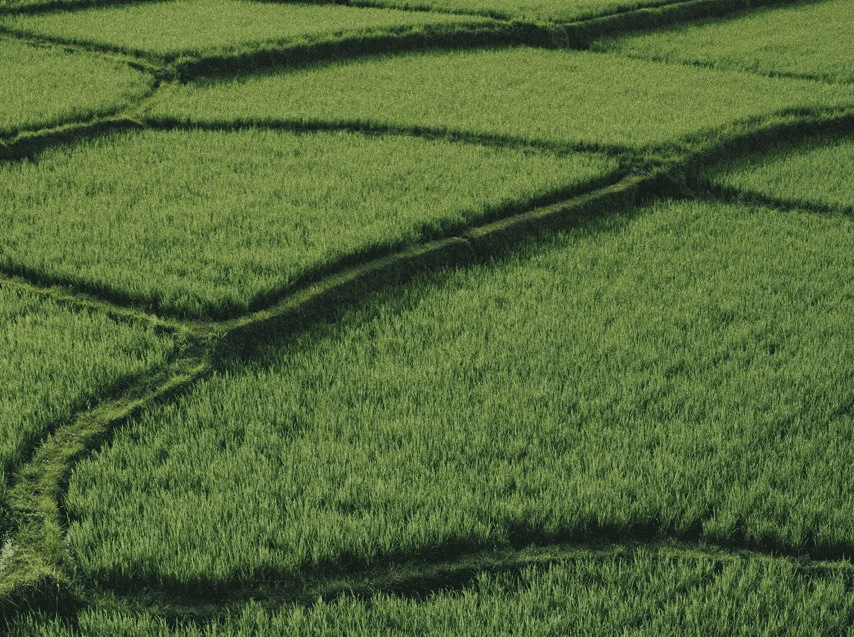
Not all rice is suitable for brewing sake. The rice used by breweries, called sakamai (酒米), is specially grown for fermentation rather than for eating.
Compared with regular table rice, sake rice has several unique characteristics:
Larger grains, which allow deeper polishing
A concentrated starch core called shinpaku
Lower levels of protein and fats, which helps create cleaner flavors
During brewing, the outer layers of the grain are polished away. This exposes the pure starch in the center of the rice. During fermentation, that starch is converted into sugar and eventually into alcohol.
Just like grape varieties influence wine, the type of rice used can significantly shape the character of the sake, from light and elegant to rich and complex. Let’s explore four of the most important sake rice varieties.
Rice Variety | Regio | Brewing Difficulty | Typical Style | Flavor Profile |
|---|---|---|---|---|
Yamada Nishiki | Hyogo | Easy for brewers | Premium Ginjo / Daiginjo | Elegant, smooth, aromatic |
Omachi | Okayama | Difficult | Full-bodied sake | Rich, earthy, complex |
Gohyakumangoku | Niigata | Moderate | Light, dry sake | Crisp, clean |
Miyama Nishiki | Nagano | Moderate | Ginjo-style sake | Fresh, lively |
Kura no Hana | Miyagi | Moderate | Elegant regional style | Clean, refined |
Yamada Nishiki (山田錦)
Often called the “king of sake rice,” Yamada Nishiki is the most prestigious and widely used variety for premium sake.
It was developed in 1936 and is primarily grown in Hyogo Prefecture, which is still considered the best region for cultivating it.
Characteristics
Large grains with a well-defined shinpaku
Ideal structure for deep polishing
Excellent water absorption during brewing
Flavor Profile
Sake brewed with Yamada Nishiki is often:
Elegant and refined
Aromatic, with fruity notes
Smooth and balanced
Because of these qualities, it is frequently used for Ginjo and Daiginjo sake, where delicacy and aroma are key.
Kura no Hana (蔵の華)
Kura no Hana is a relatively modern sake rice variety developed in Miyagi Prefecture. It was specifically created to support the region’s breweries and is now widely used by several leading producers in northern Japan.
The name means “Flower of the Brewery,” reflecting its purpose as a rice designed for sake production.
Characteristics
Developed in Miyagi Prefecture
Medium to large grain size
Stable rice structure that performs well during fermentation
Flavor Profile
Sake brewed with Kura no Hana is often:
Clean and elegant
Light yet structured
Delicate with a refined finish
It is frequently used by Miyagi breweries that focus on balanced, precise sake styles, such as Hakurakusei.
Omachi (雄町)
Omachi is one of the oldest surviving sake rice varieties, dating back to the 19th century. Unlike many modern rice strains, it has remained largely unchanged.
Today it is mainly grown in Okayama Prefecture.
Characteristics
Large grains but more fragile than Yamada Nishiki
Challenging to cultivate and brew
Lower yields for farmers
Flavor Profile
Omachi sake often has a very distinctive personality:
Rich and full-bodied
Deep and complex
Slightly earthy with strong character
Because of its expressive style, Omachi has become a favorite among craft breweries and experienced sake drinkers.
Gohyakumangoku (五百万石)
Gohyakumangoku is the second most widely grown sake rice variety in Japan and is closely associated with the Niigata region, known for its clean and refined sake style.
The name means “five million koku,” a historical unit used to measure rice production.
Characteristics
Medium-sized grains
Relatively easy to cultivate
Well suited to lighter brewing styles
Flavor Profile
Sake made from Gohyakumangoku is typically:
Light and crisp
Clean and refreshing
Subtle in aroma
This rice is often used to produce the dry and elegant sake style that Niigata breweries are famous for.
Miyama Nishiki (美山錦)
Miyama Nishiki was developed in Nagano Prefecture and is widely used in colder regions of Japan.
It was created through mutation breeding from a table rice variety and has become popular among many small and craft breweries.
Characteristics
Well adapted to cold climates
Slightly smaller shinpaku than Yamada Nishiki
Reliable for consistent brewing
Flavor Profile
Sake brewed with Miyama Nishiki is often:
Fresh and lively
Light yet expressive
Slightly herbal or mineral
It is commonly used for elegant Ginjo-style sake with a clean finish.
The Rice Family Tree: How Sake Rice Is Connected
Many sake rice varieties are closely related. Some of the most famous types used today were developed through crossbreeding older rice strains.
One of the most important examples is Yamada Nishiki (山田錦), often called the king of sake rice.
It was developed in 1936 by crossing two earlier rice varieties:
Yamadaho (山田穂)
Tankan Wataribune (短稈渡船)
The second parent, Wataribune, traces its origins back to Omachi (雄町), one of Japan’s oldest sake rice varieties.
Because of this lineage, many sake experts consider Omachi the “grandfather” of modern sake rice.
This also explains why sake made with Omachi often has a bold and complex character, while Yamada Nishiki produces a more refined and elegant style.
Why Rice Variety Matters
The rice variety is one of the key factors that shapes the final character of a sake. Different rice types influence:
Aroma intensity
Body and texture
Sweetness or dryness
Flavor complexity
However, rice is only one part of the story. The final taste of sake is also influenced by:
The brewery’s brewing style
The polishing ratio
The yeast and koji used
The water source
Exploring sake made from different rice varieties is a great way to discover how diverse sake can be.
Related Post
More stories to explore.