STORAGE
How to store sake properly
Keep bottles fresh longer by understanding temperature, oxidation and light exposure.
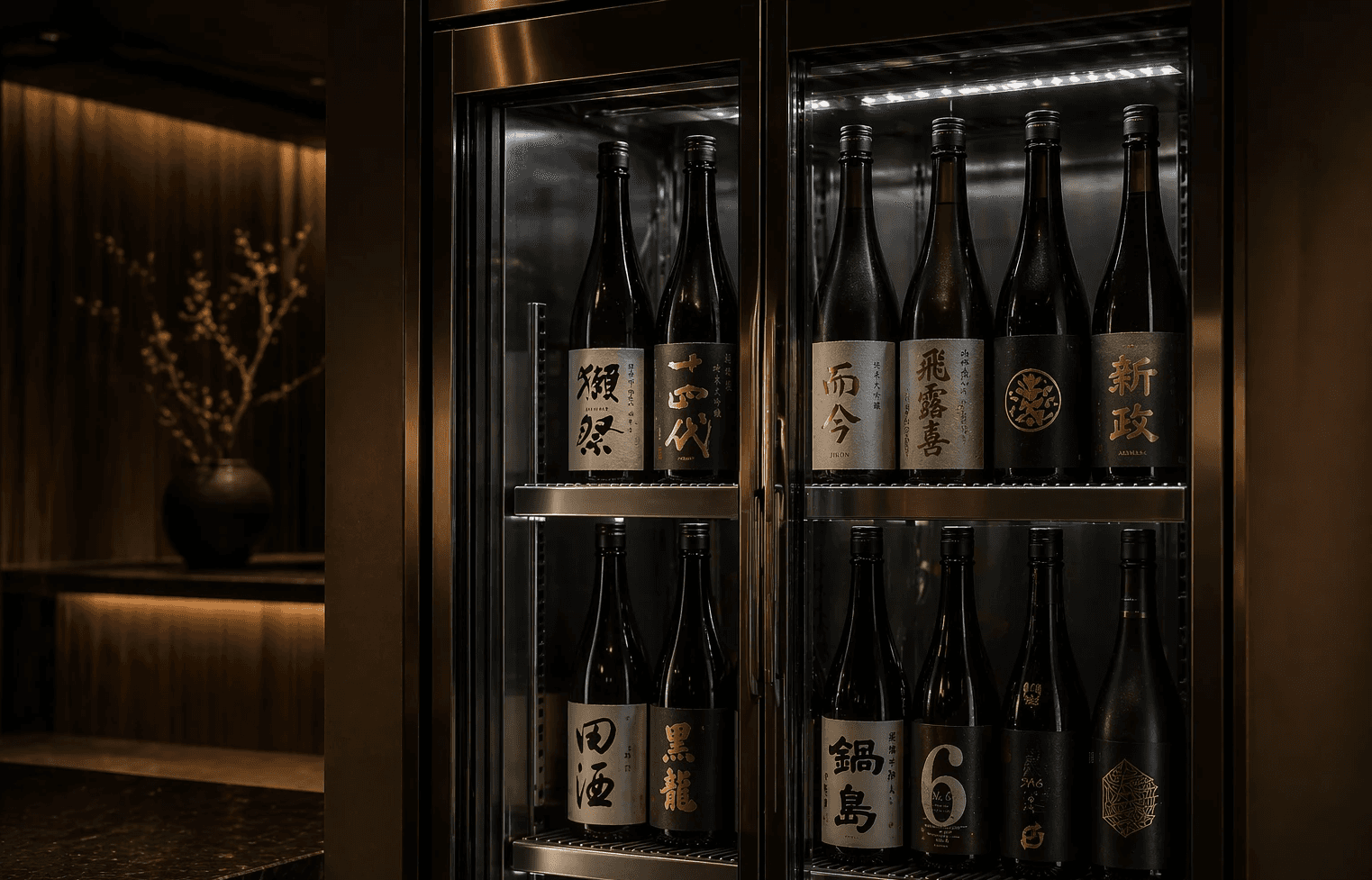
Sake is a delicate drink. Unlike wine, most sake is not meant to age for long periods. Its flavor is carefully shaped during brewing, and how you store it can either preserve that character or slowly degrade it. A few simple principles will help you keep your sake fresh and true to its style. When stored well, sake retains its delicate aromas and clean finish. When stored poorly, those qualities fade quickly.
Quick Guide: How to Store Sake
Think of sake as a fresh product. To preserve its character:
Keep it cool → ideally in the refrigerator
Protect it from light → especially sunlight
Avoid temperature changes
After opening → refrigerate and enjoy within a few days
Below, we explain how light, temperature, and oxygen affect sake.
Why Proper Storage Matters
Sake is sensitive to its environment. Exposure to light, heat, and oxygen can all change its flavor.
Poor storage can lead to:
Loss of fresh aromas
A duller, flatter taste
Unwanted notes, sometimes described as “stale” or “cooked”
Good storage, on the other hand, preserves the clarity, aroma, and balance that the brewer intended.
Light: The Hidden Enemy
Light, especially direct sunlight, is one of the fastest ways to damage sake.
UV rays can trigger chemical reactions that:
Break down aroma compounds
Create off-flavors
Cause discoloration over time
What to do
Store sake in a dark place
Avoid direct sunlight completely
Keep bottles in their box if possible
This is why many premium sake bottles are tinted or carefully packaged.
Temperature: Keep It Cool and Stable
Temperature plays a major role in how sake evolves after bottling.
Ideal storage temperature
Around 5–10°C (refrigerator temperature) for most sake
Short-term storage at room temperature is acceptable if it’s cool and stable
Avoid the following
Heat (especially above 20°C)
Temperature fluctuations
Storing sake near ovens or in direct sunlight
High temperatures accelerate aging and lead to a loss of freshness and unwanted richness.
After Opening
Once opened, sake begins to oxidize.
What to do
Store the bottle in the refrigerator
Close it tightly after each use
Consume within 3–7 days for the best experience
Some fuller-bodied sake can last slightly longer, but fresh and aromatic styles fade quickly.
Which Types of Sake Require More Attention?
Not all sake reacts the same way to storage.
More delicate styles require extra care
Ginjo & Daiginjo
Aromatic, fruit-forward sake
These styles are highly sensitive to light, heat, and oxidation. They should always be stored in the refrigerator, even before opening.
More robust styles are more forgiving
Junmai
Richer, full-bodied sake
These can tolerate slightly higher temperatures and short-term storage outside the fridge. However, they still benefit from cool, stable conditions.
Should You Age Sake?
Unlike wine, most sake is designed to be enjoyed young and fresh.
Aging sake at home is generally not recommended unless:
The sake is specifically intended for aging
You can control storage conditions carefully
For most bottles, the best experience comes from drinking them within a year of purchase.
Related Post
More stories to explore.